The BJP accused the Hemant Soren government of denying constitutional rights to tribals and backward communities by stalling PESA rules and delaying civic polls, while the Congress countered that the opposition party was misleading people after failing to act on the same issues during its own tenure.
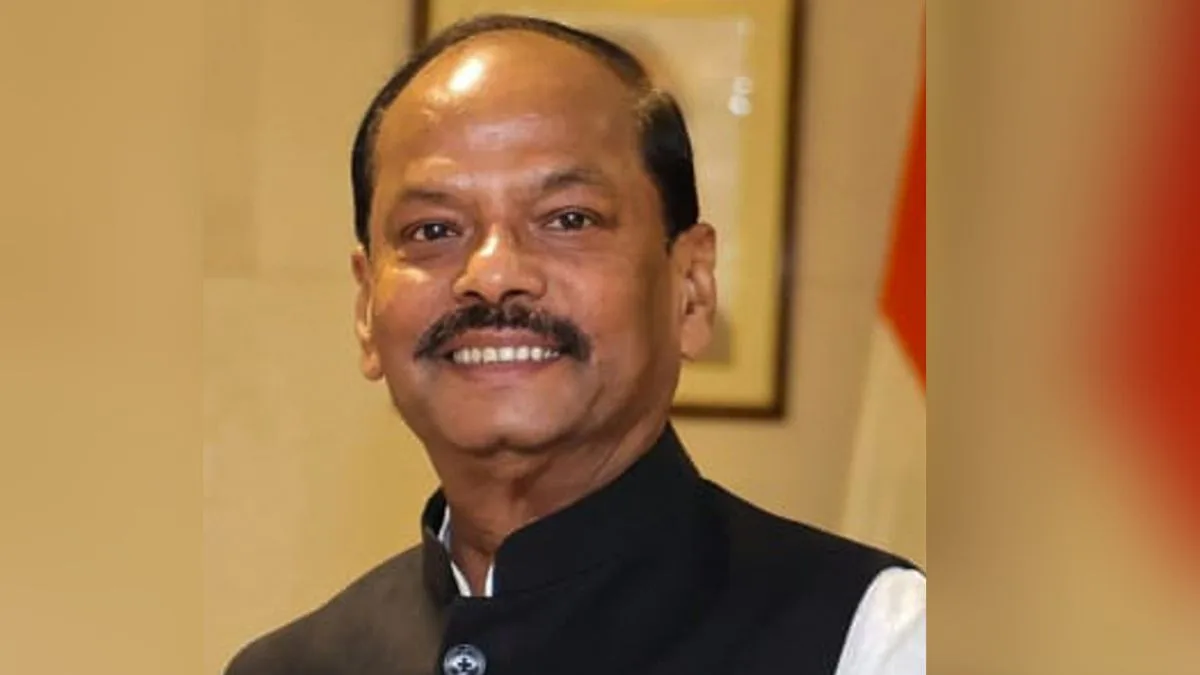
Addressing the media at the state BJP office, former chief minister Raghubar Das alleged that the government had deliberately withheld the notification of PESA despite the process reaching the Cabinet stage. He said PESA would empower gram sabhas in scheduled areas to manage minor minerals, sand and stone quarrying, fisheries and forest produce. According to him, “the reluctance is deliberate, meant to allow middlemen and contractors to plunder resources and fill the chief minister’s coffers.” Das welcomed the High Court’s intervention on sand mining and urged that the ban continue until PESA rules are notified.
Advertisement
He claimed that irregularities in sand auctions had led to losses worth thousands of crores in the past six years and demanded a CBI inquiry. On civic polls, he alleged that by not conducting elections, the state was foregoing around Rs. 1,800 crore in central grants every year, along with Rs. 1,400 crore due to the absence of PESA. He further charged that the government had not completed the “triple test” to ensure backward class representation in urban local bodies.
The Congress dismissed the charges, arguing that the BJP was attempting to exploit tribal concerns for political advantage. Pradesh Congress general secretary and media in-charge Rakesh Sinha questioned why the BJP, while in power from 2014 to 2019, had not implemented PESA. He asked why the Das government had instead prepared amendments to the CNT and SPT Acts and sent them to Raj Bhavan, and why BJP MPs had failed to secure central approval of the Sarna religious code even after its passage by the Assembly.
Sinha said the coalition government was serious about PESA and that the rules were at the final stage. He added that Congress had always fought for tribal rights, pointing to the UPA’s Forest Rights Act, while accusing the Modi government of undermining the law to transfer land to corporate interests.
The exchanges reflected the sharpening divide over resource governance and local self-government in Jharkhand, with both parties seeking to claim credibility on the issue ahead of critical policy decisions.